



A rotary joint, in simple terms, is a joint that can rotate. It is a connecting accessory for transferring the medium from a static pipeline to a dynamic pipeline or equipment. It can also be described as an accessory for transferring the medium from a dynamic device to a static pipeline. In summary, it is a rotary connection component for the circulation of media in both dynamic and static equipment.
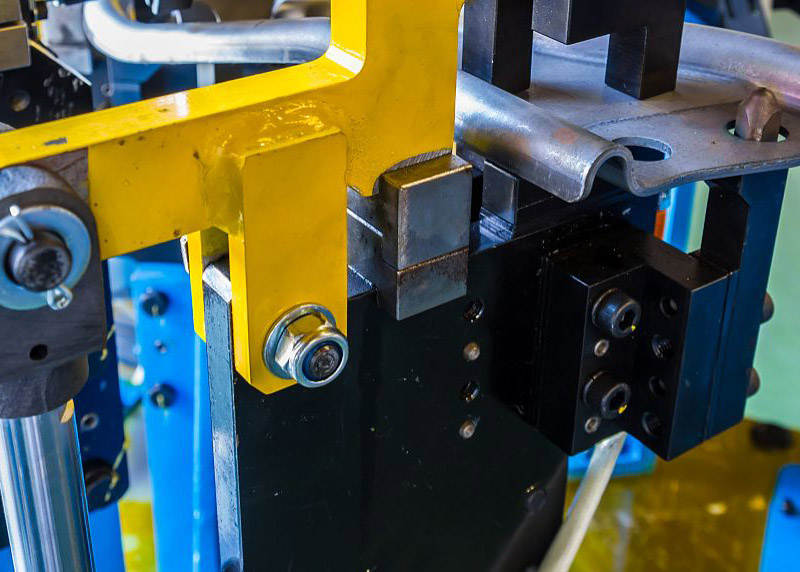
The components of the special valve head are classified according to their shape into spherical components and planar components. The spherical components are the most widely used type in the market - the Q-type valve. It has the advantage of being able to rotate freely and smoothly. With the advancement of technology, many new designs have emerged. However, the shape of the Q-type valve remains unchanged. Other designs are merely auxiliary or add additional thickness! The planar components are the most commonly used form for high-speed connections. The planar surface can maintain a good balance, with equal pressure, requiring less thrust and being unaffected by external factors. However, the drawback is that problems often occur, mostly due to the poor sealing performance. The only way to improve this is to increase the sealing surface area. There are several manufacturers worldwide specializing in this type of product. The sealing components are usually made with a planar design and a spherical auxiliary seal, while the planar seal serves as the main seal and is a dynamic seal. This combination allows for the optimal shape of the sealing components to be achieved. This is currently recognized as the most ideal sealing form in the world.
Search Starts Here